Optimizing Your Supply Chain – Leveraging the Power of Digital Platforms and AI

In an era of increasing global complexity, supply chain optimization has become a strategic imperative for organizations. Digital platforms and AI-driven automation are reshaping traditional supply chain operations, enhancing efficiency, reducing costs, and improving agility. This article explores the key digital platforms driving supply chain transformation, the role of emerging technologies like IoT, Blockchain, and RPA, and the cutting-edge AI innovations that elevate supply chain performance to the next level.

The Role and Relevance of Digital Platforms

Digital platforms form the backbone of modern supply chains, enabling organizations to streamline processes, improve visibility, and drive data-driven decision-making. The five most critical platforms in supply chain automation include:

1. Enterprise Resource Planning (ERP)

ERP systems integrate core business processes, including finance, procurement, manufacturing, and supply chain management. These platforms provide a unified system to manage inventory, automate workflows, and enhance decision-making. Leading ERP solutions such as SAP S/4HANA, Oracle ERP Cloud, and Microsoft Dynamics 365 offer AI-powered insights and real-time analytics.

Most companies operate one or more ERP systems (often from older generations), and the challenge is to bring these to a level where new platforms can be easily connected, and Data and AI solutions can be built on top of them.

2. Supply Chain Management (SCM)

SCM platforms optimize planning, execution, and collaboration across the entire supply chain. They facilitate demand forecasting, inventory optimization, and supplier collaboration. Solutions like Blue Yonder, Kinaxis, and E2open use AI and machine learning to improve forecasting accuracy and reduce operational risks.

These solutions are highly connected to ERP and other supply chain systems. They aim to create end-to-end visibility from suppliers to customers. By integrating information from various source systems, SCM solutions optimize the supply chain. To create value from SCM systems, organizations must consider the complete data ecosystem.

3. Transportation Management Systems (TMS)

TMS platforms focus on optimizing logistics, freight management, and route planning. By leveraging AI-driven automation, companies can reduce transportation costs and improve delivery efficiency. Platforms like Oracle Transportation Management (OTM) and SAP Transportation Management enhance real-time visibility and dynamic routing.

With growing complexities such as ultra-fast lead times, precise delivery windows, carbon footprint reduction, and multi-partner logistics networks, TMS systems are becoming crucial elements in supply chains.

4. Warehouse Management Systems (WMS)

WMS platforms automate inventory tracking, order fulfillment, and warehouse optimization. AI-enhanced solutions such as Manhattan Associates WMS, Blue Yonder WMS, and SAP WMS integrate robotics and IoT sensors to streamline warehouse operations and improve accuracy.

Many companies are already operating fully automated warehouses where WMS systems play a vital role in managing and tracking all materials and movements within the warehouse.

5. Procurement & Supplier Collaboration Platforms

Procurement platforms ensure efficiency in sourcing, supplier relationship management, and contract execution. Solutions like SAP Ariba and Coupa use AI to enhance supplier negotiations, reduce procurement cycles, and mitigate risks.

To maximize value, these solutions must be fully integrated with finance and other supply chain processes. Poor integration leads to inefficiencies and additional manual work.

Beyond Digital Platforms: The Role of IoT, Blockchain, and RPA

While digital platforms provide the foundational infrastructure, technologies such as IoT, Blockchain, and RPA further enhance supply chain automation.

1. Internet of Things (IoT)

IoT devices provide real-time visibility into logistics, warehousing, and inventory management. Sensors and connected devices track shipments, monitor temperature-sensitive goods, and improve predictive maintenance.

Platforms like Microsoft Azure IoT and AWS IoT enable organizations to analyze real-time supply chain data for improved decision-making.

2. Blockchain for Supply Chain Transparency

Blockchain technology enhances security, traceability, and trust in supply chain transactions. By creating an immutable ledger, Blockchain enables the use of smart contracts—self-executing agreements with terms directly embedded in code. These contracts automate processes such as payments and order verifications, eliminating intermediaries and manual paperwork. This automation reduces administrative workloads and accelerates transaction times.

Companies like Walmart have implemented Blockchain to track produce from farms to stores. This system ensures product authenticity and safety while also reducing traceability time during recalls.

3. Robotic Process Automation (RPA)

RPA automates repetitive and time-consuming supply chain tasks, such as invoice processing, order entry, and supplier onboarding. Solutions like UiPath, Automation Anywhere, and Blue Prism improve efficiency, reduce human errors, and accelerate transaction cycles.

Schneider Electric implemented RPA to streamline its supply chain processes by eliminating non-value-adding tasks. This automation enabled employees to focus on core activities, significantly improving operational efficiency. During health crises, RPA facilitated faster distribution flows between remote sites and distribution centers.

AI: The Game-Changer in Supply Chain Optimization

Beyond digital platforms and automation technologies, AI is revolutionizing supply chain management by enabling predictive analytics, intelligent automation, and advanced decision-making capabilities.

1. AI in Demand Forecasting and Planning

AI-driven demand forecasting leverages historical data, market trends, and real-time inputs to enhance accuracy and optimize inventory levels. Danone adopted machine learning to refine its demand forecasting and planning, reducing forecast errors by 20% and lost sales by 30%.

2. AI in Warehouse and Fulfillment Operations

AI-powered robotics and computer vision enhance warehouse automation by improving picking accuracy, reducing labor dependency, and optimizing storage utilization. Amazon has integrated robotic solutions like Proteus and Sparrow into its fulfillment centers, significantly increasing operational efficiency and reducing costs.

3. AI in Logistics and Transportation

AI-driven logistics solutions optimize route planning, reduce fuel consumption, and improve delivery timelines. DHL has adopted AI to analyze delivery addresses, traffic patterns, and weather conditions to identify the most efficient routes, leading to lower fuel consumption and improved delivery times.

4. AI in Supply Chain Risk Management

AI assists organizations in identifying risks, predicting disruptions, and developing proactive strategies. IBM Watson Supply Chain leverages AI-powered insights to enhance resilience by analyzing vast datasets to predict potential disruptions and suggest mitigation strategies.

Conclusion

The convergence of digital platforms, automation technologies, and AI is redefining the future of supply chain management. By leveraging ERP, SCM, TMS, WMS, and Procurement platforms alongside IoT, Blockchain, and RPA, organizations can achieve end-to-end supply chain automation. AI further amplifies these capabilities by driving predictive insights, improving agility, and optimizing operations.

For supply chain and transformation leaders, the imperative is clear: Embracing digital platforms and AI-driven automation is no longer optional—it is a strategic necessity to remain competitive and resilient in an ever-evolving global landscape.

How AI-Powered Digital Platforms Are Transforming Marketing & Sales

The Evolution of Digital Platforms: From CRM to AI-Powered Automation

Over the past decade, digital platforms such as Customer Relationship Management (CRM) systems, process automation tools, and AI-driven content generation solutions have significantly reshaped the Marketing, Sales, and Customer Service functions. Platforms like Salesforce have centralized customer data, streamlined workflows, and enhanced customer relationship management, enabling organizations to gain a 360-degree view of customer interactions. This shift has driven more personalized engagement, improved forecasting, and increased operational efficiency.

Beyond CRM, AI-powered process automation has minimized manual administrative tasks while enhancing analytics and insights across marketing, sales, and service functions. This has freed teams to focus on strategic and creative aspects of their roles. AI-assisted content creation has further revolutionized the field, enabling marketers to generate personalized campaign materials, sales teams to craft compelling proposals, and customer service teams to automate responses and knowledge base updates.

Initially, digital transformation was centered on digitizing and organizing customer data, replacing spreadsheets and fragmented databases with integrated, cloud-based solutions. This allowed marketing teams to run more targeted campaigns, sales teams to track leads and opportunities systematically, and service teams to deliver more efficient support. Automation features—such as email workflows, lead scoring, chatbot-assisted support, and AI-generated content—enhanced efficiency and reduced reliance on manual execution.

However, despite these advancements, traditional systems still require significant manual input, leading to inefficiencies in leveraging insights, maintaining up-to-date information, and optimizing content creation for customer engagement.


The Rise of AI-Powered Digital Platforms: A Game Changer for Marketing, Sales, and Service

AI has fundamentally transformed digital platforms, evolving them from passive databases into intelligent assistants that augment decision-making, improve customer interactions, and enhance operational efficiency. Key areas of transformation include:

  1. Predictive Analytics and Lead Scoring
    AI analyzes vast amounts of customer data to identify patterns, predict behavior, and prioritize leads with the highest conversion potential. This enables sales teams to focus their efforts more effectively.
  2. Automated Personalization in Marketing
    AI-driven marketing tools power hyper-personalized campaigns by analyzing past interactions, preferences, and behaviors, significantly boosting engagement and conversion rates.
  3. Conversational AI and Virtual Assistants
    AI-powered chatbots and virtual assistants now handle routine customer interactions, providing instant responses, qualifying leads, and even scheduling follow-ups—freeing up sales and support teams for higher-value interactions.
  4. Sentiment Analysis and Churn Prediction
    AI-driven sentiment analysis across emails, chat conversations, and social media helps assess customer satisfaction and predict churn risks, enabling proactive customer retention strategies.
  5. Sales Forecasting and Revenue Optimization
    AI-powered analytics provide more accurate sales forecasts by factoring in external market conditions, past performance, and industry trends, helping executives make informed strategic decisions.
  6. AI-Generated Content and Automated Communication
    AI assists in generating marketing content, social media posts, blog articles, and email campaigns. Sales teams leverage AI-generated proposals and presentations, while customer service teams use AI-driven FAQs and documentation to enhance efficiency.

The Changing Roles in Marketing, Sales, and Customer Service with AI

As AI transforms CRM, process automation, and content generation, key roles across these functions are evolving:

Marketing Roles

  1. Brand Manager
    AI-driven sentiment analysis and predictive analytics help Brand Managers monitor consumer perception in real time, enabling proactive brand positioning. AI-assisted content creation tools enhance brand messaging and marketing material development.
  2. Marketing Manager
    AI automates campaign optimization, budget allocation, and audience segmentation, allowing Marketing Managers to focus on strategy and creativity. AI tools also assist in drafting and refining copy, visuals, and campaign assets.
  3. Market Research Analyst
    AI automates market research, competitive intelligence analysis, and big data insights generation, reducing reliance on traditional research methods and streamlining the presentation of insights.
  4. Digital Marketing Manager
    AI-driven algorithms enhance ad placements, personalize email marketing, and optimize content recommendations. AI-generated creative assets—including ad copy, social media posts, and videos—further boost engagement and ROI.

Sales Roles

  1. Sales Executive
    AI-driven lead scoring and real-time insights enable Sales Executives to prioritize high-value prospects and personalize their outreach strategies. AI assists in crafting outreach emails, presentations, and proposals.
  2. Account Manager
    AI-based customer analytics help Account Managers predict churn, strengthen client relationships, and personalize engagement strategies through AI-driven content and insights.
  3. Sales Manager/Director
    AI optimizes sales tracking, provides real-time coaching recommendations, and enhances forecasting accuracy, enabling Sales Managers to make more data-driven decisions.
  4. Business Development Manager
    AI identifies emerging market opportunities, automates lead generation, and supports the creation of sales pitches, decks, and customized proposals.

Customer Service Roles

  1. Customer Service Representative
    AI-powered chatbots handle routine queries, allowing service representatives to focus on complex customer issues. AI also assists in drafting responses and managing customer interactions more effectively.
  2. Customer Success Manager
    AI-driven insights enable Success Managers to proactively identify customer pain points, predict churn, and deliver personalized support strategies, aided by AI-generated knowledge base content.
  3. Technical Support Specialist
    AI-assisted diagnostics enhance troubleshooting efficiency, accelerating issue resolution and predictive maintenance. AI-generated documentation and automated responses streamline customer support.

The Future: A Fully Autonomous Digital Platform?

As AI integration deepens, businesses may in future operate with fully autonomous digital platforms capable of handling lead nurturing, customer engagement, and even complex negotiations with minimal human intervention. The fusion of AI and generative capabilities will further enhance content personalization and customer interactions, transforming marketing, sales, and service functions into more precise, data-driven disciplines.

However, this transformation will require organizations to invest in workforce training and change management initiatives. Employees must develop new skill sets to collaborate effectively with AI-driven tools, shifting their focus from manual execution to strategy, analysis, and creative problem-solving. Companies that prioritize reskilling will ensure their workforce remains competitive and valuable in an AI-augmented environment.

Organizations that proactively prepare for this shift will not only gain a competitive edge but also facilitate a seamless transition into a more automated and AI-driven future.


2025 Example: The Promise of Agentforce

Salesforce’s Agentforce is set to redefine AI-driven business operations in 2025. As a comprehensive digital labor platform, Agentforce allows organizations to create, customize, and deploy autonomous AI agents across sales, marketing, service, and commerce functions. These AI agents operate independently, retrieving data, making decisions, and executing tasks without human oversight.

Key features of Agentforce include:

  • Pre-Built AI Skills & Workflow Integrations: Rapid customization for sales functions like Sales Development and Sales Coaching, allowing AI agents to nurture leads and provide instant feedback on prospecting calls.
  • Seamless Collaboration in Slack: AI agents integrate into team workflows, enabling real-time collaboration between human employees and digital assistants.
  • Atlas Reasoning Engine: AI agents retrieve data, analyze it, and autonomously take action, handling complex, multi-step tasks with precision.

By leveraging Agentforce, businesses can scale their workforce with AI-driven automation, unlocking new operational efficiencies and redefining the future of work. Organizations that embrace this next generation of AI-powered automation will gain a substantial competitive advantage in an increasingly digital landscape.

Designing High-Impact Value Chains with the Business Model Canvas

Introduction

In today’s fast-moving business environment, companies must regularly reflect on how they generate value and translate this into effective business models. Organizations can operate multiple business models simultaneously, combining products and services, and within each model, there can be various versions of value chains (e.g., Software as a Service, Product as a Service, Information as a Service).

All these value chains must be executed efficiently within the company’s processes and systems. A great strategy without the right operational backbone is bound to fail. This article provides a structured approach to designing and optimizing value chains, supported by industry best practices.


1. Business Models: The Foundation of Value Creation

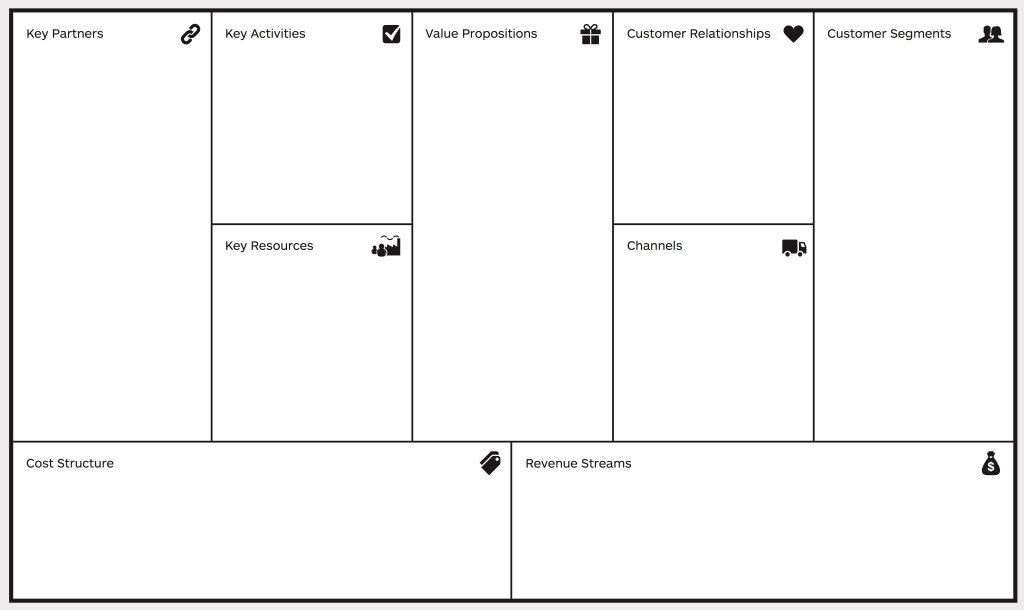
A business model describes how a company creates, delivers, and captures value. The Business Model Canvas (BMC), developed by Alexander Osterwalder, provides a structured framework to outline key business components.

The Business Model Canvas – Key Components

  1. Customer Segments – Who are we creating value for?
  2. Value Propositions – What unique value do we deliver?
  3. Channels – How do we reach customers?
  4. Customer Relationships – How do we interact with customers?
  5. Revenue Streams – How do we generate revenue?
  6. Key Resources – What assets do we need?
  7. Key Activities – What critical actions drive our value proposition?
  8. Key Partnerships – What external players support us?
  9. Cost Structure – What are the main costs of running our model?

The BMC offers a strategic blueprint, but executing it efficiently requires a well-structured value chain.


2. The Value Chain: Translating the Business Model into Execution

A value chain, as introduced by Michael Porter, breaks down a company’s activities into primary and support activities, helping companies understand how value is created, where efficiencies can be gained, and where competitive advantage can be built.

How the Value Chain Aligns with the Business Model Canvas

Business Model ComponentCorresponding Value Chain Activities
Key ActivitiesDefines core primary activities such as operations, logistics, and marketing.
Key ResourcesAligns with support activities like technology, HR, and procurement.
Key PartnershipsInfluences supply chain design and outsourcing decisions.
Cost StructureDetermines cost-efficiency priorities within the value chain.
Revenue StreamsShapes customer service, sales processes, and after-sales support.
ChannelsDefines logistics, distribution, and digital engagement strategies.

By aligning the business model with the value chain, companies ensure that strategy translates into action efficiently.


3. Using the Business Model Canvas to Optimize the Value Chain

To effectively link business model design and value chain execution, executives can follow these steps:

Step 1: Define the Business Model with the BMC

  • Map out the nine components of your business model.
  • Identify the most critical elements that drive differentiation and profitability.

Step 2: Mapping the Value Chain Based on the Business Model

Once a company has defined its business model, the next step is to ensure that its value chain is structured to deliver on that strategy.

Key Actions in Value Chain Mapping:
  1. Identify Primary Activities – Core operations that create and deliver value.
  2. Identify Support Activities – The enablers that ensure efficiency and sustainability.
  3. Assess Alignment – Ensuring every activity reinforces the business model.
Example: Amazon’s Primary Activities
  • Inbound Logistics: Leverages an advanced supply chain with vast warehousing & supplier integration.
  • Operations: Runs automated, AI-driven fulfillment centers to optimize costs and speed.
  • Outbound Logistics: Owns Amazon Prime delivery & logistics rather than relying on third-party couriers.
  • Marketing & Sales: Uses data-driven recommendations, digital advertising, and memberships for retention.
  • Customer Service: AI-driven chatbots, 24/7 customer support, and seamless return processes.

📌 Takeaway: Amazon’s business model (e-commerce + logistics) succeeds because its value chain supports ultra-fast, cost-effective fulfillment.

Example: Apple’s Support Activities
  • Firm Infrastructure: Centralized design & marketing strategy in California, manufacturing in China via Foxconn.
  • HR Management: Attracts world-class talent, focusing on innovation and brand culture.
  • Technology Development: Heavy investment in R&D, patents, and ecosystem lock-in (iOS, App Store).
  • Procurement: Strong global supplier agreements for critical components like microchips & OLED screens.

📌 Takeaway: Apple’s business model (premium design & ecosystem lock-in) is supported by an R&D-driven value chain.


4. Aligning the Value Chain with Competitive Strategy

Once a company maps its value chain, the final step is ensuring it aligns with its competitive strategy. This means optimizing the value chain to reinforce cost leadership, differentiation, or innovation.

Three Strategic Approaches to Value Chain Optimization

1️⃣ Cost Leadership – Competing on price by minimizing costs and optimizing efficiency.
2️⃣ Differentiation – Competing on uniqueness by offering superior quality, service, or branding.
3️⃣ Innovation & Agility – Competing on speed, adaptability, and digital transformation.

1. How to Align the Value Chain with Cost Leadership:

✔ Inbound Logistics: Optimize supply chain efficiency by sourcing cost-effective materials and reducing waste (e.g., bulk purchasing, supplier consolidation).
✔ Operations:
Automate manufacturing and streamline processes to reduce labor and production costs (e.g., lean manufacturing, Six Sigma, AI-powered automation).
✔ Outbound Logistics:
Optimize distribution to lower transportation costs (e.g., route optimization, just-in-time delivery).
✔ Marketing & Sales:
Leverage data-driven performance marketing to reduce customer acquisition costs (e.g., digital-only campaigns, AI ad targeting).
✔ Customer Service:
Use self-service technology (e.g., chatbots, AI-driven support) to reduce support costs.

Example: Ryanair (Cost Leadership Strategy)
  • Uses secondary airports with lower landing fees.
  • Standardizes on a single aircraft type (Boeing 737) to reduce maintenance costs.
  • No ticketing offices—100% online sales eliminate distribution costs.
  • Charges for extras (baggage, seat selection) to keep ticket prices low.

📌 Takeaway: Ryanair’s low-cost airline model is viable because its value chain aggressively minimizes costs at every stage.

2. How to Align the Value Chain with Differentiation:

✔ Inbound Logistics: Secure high-quality, exclusive, or ethically sourced materials (e.g., luxury fashion, premium coffee beans, rare tech components).
✔ Operations:
Invest in craftsmanship, advanced R&D, or personalization to create a unique product (e.g., Tesla’s self-driving AI, Apple’s design-first approach).
✔ Outbound Logistics:
Create a premium experience (e.g., Apple’s seamless unboxing & in-store Genius Bar support).
✔ Marketing & Sales:
Use brand storytelling, exclusivity, and high-touch engagement (e.g., Nike’s athlete-driven branding).
✔ Customer
Service: Offer concierge-level, loyalty-driven experiences (e.g., luxury car brands providing VIP treatment).

Example: LVMH (Differentiation Strategy)
  • Sources exclusive, rare materials for brands like Louis Vuitton, Dior, and Moët & Chandon.
  • Maintains in-house artisanal production in Italy and France rather than outsourcing.
  • Uses flagship stores in premium locations rather than mass-market retailers.
  • Relies on celebrity endorsements, elite fashion events, and exclusivity-driven advertising.

📌 Takeaway: LVMH’s ability to command premium pricing comes from a value chain designed for brand exclusivity, quality, and aspirational appeal.

3. How to Align the Value Chain with Innovation & Agility:

✔ Inbound Logistics: Maintain flexible supply chains to adapt quickly to new trends and demands.
✔ Operations:
Use digital technology, cloud-based infrastructure, and AI to enable rapid iteration.
✔ Outbound Logistics:
Deploy agile distribution models to support real-time customer needs.
✔ Marketing & Sales:
Leverage data, AI, and personalization for hyper-targeted engagement.
✔ Customer Service:
Implement predictive and proactive AI-driven service to enhance experience.

🔹 Example: Spotify (Digital Streaming Disruption)

  • Inbound Logistics: Uses a data-driven licensing model to determine which songs and artists to feature based on listening patterns.
  • Operations: Invests in machine learning algorithms for personalized recommendations (e.g., “Discover Weekly”).
  • Outbound Logistics: No physical distribution; everything is delivered via cloud-based streaming.
  • Marketing & Sales: Uses AI-driven insights to personalize marketing, and leverages artist partnerships for exclusive content.
  • Customer Service: Focuses on frictionless digital experience, self-service help centers, and AI-driven chat support.

📌 Takeaway: Spotify’s competitive edge in music streaming comes from an AI-powered, data-driven value chain that enables agility and innovation.


5. Key Takeaways

For businesses aiming to build competitive advantage, aligning the Business Model Canvas with a well-structured value chain is essential.

A business model defines intent → The value chain ensures execution.
Use the Business Model Canvas to clarify strategic priorities.
Map your value chain to identify inefficiencies and enhance competitive advantage.
Leverage digital tools to enhance agility in execution.

By continuously aligning strategy with execution, companies can drive sustainable growth and operational excellence.


Conclusion

In the era of digital transformation and competitive disruption, companies must ensure their value chain supports their business model effectively. The Business Model Canvas provides a clear framework to define strategy, while Value Chain Analysis ensures efficient execution.

Executives who successfully integrate these frameworks will position their organizations for long-term success, resilience, and market leadership.

The Secret to Successful AI-Driven Process Redesign

Building on my previous article, How to Marry Process Management and AI, I take this issue a step further by leveraging insights from the Harvard Business Review (Jan–Feb 2025) article by H. James Wilson and Paul R. Daugherty. These authors, also known for Human + Machine—a must-read for understanding the future of work (a full book review is available on www.bestofdigitaltransformation.com)—explore how AI is reshaping process redesign.

Their article focuses on AI and the Evolution of Kaizen. Initially, I found the parallel between AI and kaizen (continuous improvement) intriguing, but the more I reflected on it, the clearer it became: AI enables humans to make continuous, incremental improvements to processes.

Key Themes:

  • The Toyota Production System, built on kaizen, has long enabled incremental process improvements.
  • Kaizen 2.0, powered by AI, allows employees to leverage data-driven insights to optimize workflows.
  • The article explores how companies use AI to redesign processes, empower employees, and drive business transformation.

In this newsletter, I borrow great examples from the article and add my own insights on leveraging AI for process redesign.


Empowering Employees Throughout the Enterprise

Examples:

  • Mercedes-Benz’s MO360 Data Platform connects plants globally, enabling real-time AI-powered insights for shop-floor workers.
  • Mahindra & Mahindra’s production workers use AI virtual assistants for step-by-step robot repair guidance, reducing downtime and improving morale.
  • Companies like Mercedes-Benz invest in AI training programs (e.g., Turn2Learn), equipping employees with skills in prompt engineering and natural language processing.

Insights:

  • Empowering employees with AI starts with trustworthy and well-managed data, as data quality is critical for AI effectiveness.
  • AI-driven tools eliminate reliance on predesigned reports, allowing employees to interact with data in their own language and gain real-time insights.
  • The ability to ask AI the right questions is a crucial skill, and training employees in prompt engineering is essential.

Redesigning Scientific Processes

Examples:

  • Gen AI is revolutionizing pharmaceutical R&D, reducing waste, accelerating drug discovery, and enhancing quality control.
  • Merck employs AI-generated synthetic image data, reducing false rejects in drug manufacturing by 50%.
  • Absci’s AI-driven zero-shot learning creates new antibodies in silico, cutting drug development from six years to 18 months.

Insights:

  • AI accelerates not only operational processes but also scientific research, leveraging vast, fast access to data.
  • AI rapidly simulates multiple potential solutions, significantly accelerating the research cycle.
  • A remarkable example: Microsoft recently helped identify a lithium alternative for batteries, reducing lithium consumption by 70%—an achievement made possible by AI screening 32 million materials in a single week, a process that would normally take years.

Augmenting Creative Processes

Examples:

  • Colgate-Palmolive, Nestlé, and Campbell’s use AI to validate product ideas and conduct market research.
  • Coca-Cola integrates GPT-4 and DALL-E, allowing digital artists to generate AI-assisted branding materials.
  • NASA’s AI-driven CAD process reduces design cycles from weeks to hours, producing lighter, stronger components for space missions.

Insights:

  • AI enhances creativity in product development, marketing, and design.
  • AI can generate multiple design options, allowing humans to curate and refine the best ones.
  • AI-generated content is transforming marketing—I personally use DALL-E to create visuals for my newsletter instead of manually searching for images.

Animating Physical Operations

Examples:

  • Sereact’s PickGPT enables warehouse robots to follow natural language commands, making robotics more accessible to non-technical employees.
  • Digital twins—virtual models of real-world systems—are used in preclinical drug testing, factory optimization, and hospital operations.
  • Atlas Meditech’s AI-driven virtual brain models allow surgeons to practice on patient-specific digital twins before real-life procedures.

Insights:

  • AI integrates with sensors, enabling robots to collaborate seamlessly with human workers.
  • AI optimizes human-robot collaboration, ensuring each group focuses on their strengths.
  • Digital twins provide simulated environments for process planning and workforce training.

Autonomous Agents

Examples:

  • AI agents are evolving to autonomously make decisions and take action.
  • DoNotPay’s AI agent automatically identifies unnecessary subscriptions and negotiates lower bills.
  • Walmart, Marriott, and Nestlé use AI for inventory, booking, and supply chain optimization.
  • AI agents display human-like reasoning in three ways:
    1. Goal-oriented behavior – Acting independently to achieve objectives.
    2. Logical reasoning & planning – Breaking tasks into structured steps.
    3. Long-term memory & reflection – Learning from past interactions to enhance decision-making.

Insights:

  • AI agents are becoming more powerful, handling complex process optimizations independently.
  • Salesforce’s Agentforce AI resolves customer service issues autonomously—without being pre-scripted.
  • AI-based agents will transform Robotic Process Automation (RPA):
    • RPA handles repetitive tasks, with structured data.
    • AI agents tackle complex tasks involving both structured and unstructured data.

Ecosystems of Autonomous Agents

Examples:

  • Complex tasks often require multiple AI agents working in unison, rather than a single AI performing isolated tasks.
  • Mortgage underwriting: AI agents analyze documents, check compliance, and generate loan recommendations in parallel.
  • Google & Stanford’s AI simulation demonstrated that autonomous agents can develop human-like decision-making and learning.

Insights:

  • End-to-end process automation is still a challenge, given the many variables and process variations.
  • Instead of full-process automation, companies should integrate AI into specific tasks that enhance overall workflows.
  • AI agents can collaborate, forming an ecosystem that continuously learns and improves over time.

Conclusion: AI-Driven Process Redesign Remains Human-Centered

Key Takeaways:

  • AI does not replace humans—instead, it augments employees, enabling continuous improvement at scale.
  • AI allows employees to focus on strategic decisions, while AI agents optimize repetitive and analytical tasks.
  • Successful AI adoption depends on leadership-driven empowerment, ensuring AI tools enhance human creativity rather than replace it.
  • The future of kaizen is AI-augmented, human-led, and continuously evolving, as AI and human expertise merge to drive business transformation.

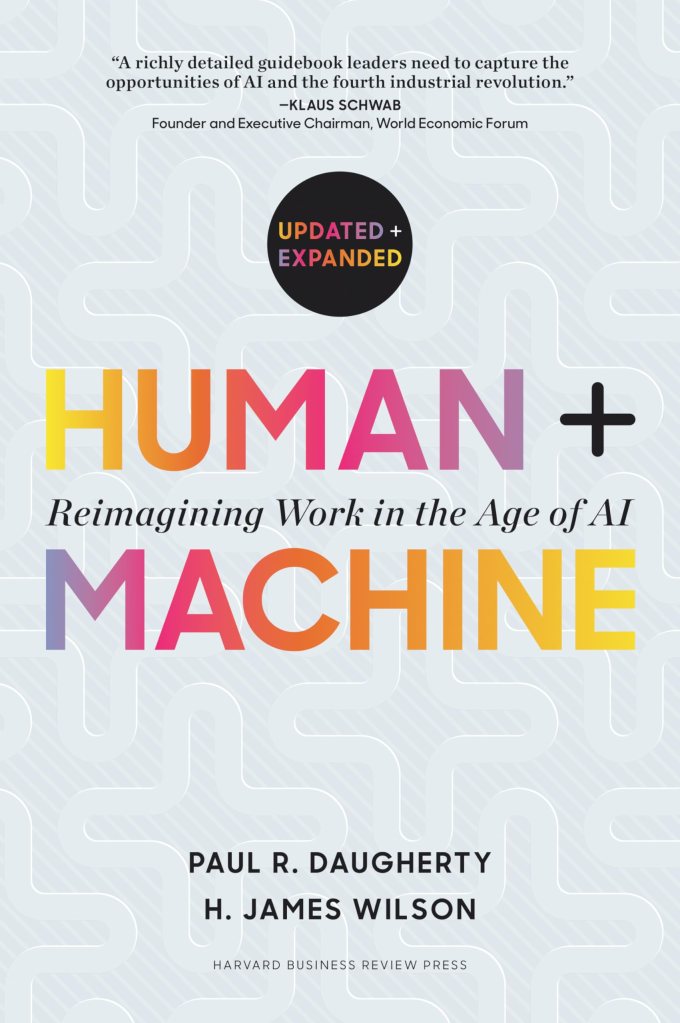
Future of Work: Insights from Human + Machine

Human + Machine: Reimagining Work in the Age of AI, written by Paul R. Daugherty and H. James Wilson, has garnered widespread acclaim for its insightful and practical approach to integrating artificial intelligence into business operations. Readers have praised its clear analysis and inspiring examples of AI applications across various industries.

The book is recognized as a thought-provoking and essential resource for understanding the future of work, emphasizing the symbiotic relationship between humans and machines. It makes complex AI concepts approachable, providing a compelling roadmap for leaders aiming to harness AI’s full potential while navigating its ethical and operational complexities.

More than just a technical guide, Human + Machine serves as a strategic playbook for executives seeking to lead AI-driven transformation effectively.


The Core Premise: Collaborative Intelligence

At the heart of Human + Machine is the concept of collaborative intelligence—the idea that AI is not a replacement for human talent but a powerful complement that enhances human capabilities. The book challenges the traditional view of automation as a job eliminator and instead presents a more optimistic, structured framework where AI and humans work symbiotically to create exponential value.

Daugherty and Wilson introduce the MELDS Framework, which identifies five crucial shifts in how businesses can approach AI transformation:

  • Mindset Shift – Moving from a technology-first approach to a human-centered AI adoption strategy.
  • Experimentation – Encouraging a culture of iterative learning and agile AI deployments.
  • Leadership – Ensuring executives play a hands-on role in AI integration and ethics.
  • Data – Harnessing the right data in ethical, transparent, and responsible ways.
  • Skills – Investing in upskilling and reskilling employees to thrive in AI-driven environments.

This review captures the key insights from each chapter and provides actionable takeaways for leaders looking to embrace AI effectively.


Chapter Summaries and Leadership Actions

Chapter 1: The AI Work Redesign Imperative

  • AI does not simply replace jobs; it transforms them by reshaping roles and responsibilities.
  • Leadership Action: Conduct workforce planning to identify roles that AI will augment rather than replace. Create structured transition plans to help employees adapt.

Chapter 2: The Missing Middle: Humans + AI

  • Successful AI adoption requires a balance between automation and human judgment.
  • Leadership Action: Invest in training programs that help employees collaborate with AI, emphasizing decision-making, creativity, and ethics.

Chapter 3: Reimagining Business Processes with AI

  • AI-driven process redesign should focus on innovation rather than mere efficiency.
  • Leadership Action: Develop a framework to assess which processes should be augmented, automated, or reinvented entirely using AI.

Chapter 4: AI and Data: The Foundation of Intelligent Workflows

  • AI’s effectiveness depends on high-quality, structured, and unbiased data.
  • Leadership Action: Implement strong data governance policies to ensure data integrity, fairness, and transparency in AI applications.

Chapter 5: Scaling AI Across the Enterprise

  • Many companies struggle to scale AI beyond initial pilot projects.
  • Leadership Action: Create cross-functional AI implementation teams and define clear metrics to measure AI adoption success.

Chapter 6: AI and the Future of Work

  • AI will create new job roles while transforming existing ones.
  • Leadership Action: Establish continuous learning initiatives and reskilling programs to equip employees with AI-relevant competencies.

Chapter 7: The Responsible AI Framework

  • AI governance should focus on transparency, accountability, and fairness.
  • Leadership Action: Develop and enforce AI ethics guidelines to ensure responsible deployment and mitigate bias.

Chapter 8: A Leader’s Guide to Reimagining Processes

  • Leaders must actively drive AI-powered transformation by fostering an experimental and adaptable mindset.
  • Leadership Action: Encourage a culture of AI-driven experimentation, allowing teams to iterate on AI solutions and adapt based on real-world learnings.

Chapter 9: Eight New Fusion Skills for an AI Workplace

  • AI-driven work environments require hybrid skill sets that combine human expertise with AI capabilities.
  • Leadership Action: Create mentorship and coaching programs that help employees develop these fusion skills:
    • Intelligent Inquiry – Leveraging AI insights effectively through critical questioning.
    • Bot-Based Empowerment – Collaborating with AI tools to enhance productivity.
    • Reciprocal Learning – Ensuring continuous feedback between humans and AI systems.
    • Relentless Reimagination – Consistently rethinking processes and strategies.
    • Holistic Judgment – Balancing AI-generated insights with human intuition.
    • Ethical Guardian – Upholding ethical standards in AI development and deployment.
    • AI Exponential Thinking – Using AI-driven innovation to scale business impact.
    • Constructive Skepticism – Evaluating AI recommendations critically to avoid over-reliance.

Final Thoughts

Human + Machine provides a compelling roadmap for senior executives and transformation leaders seeking to leverage AI as a force multiplier for their businesses. By integrating real-world case studies, actionable frameworks, and the latest AI trends, the updated edition is more relevant than ever for organizations embarking on or refining their AI journeys.

The book’s optimistic yet pragmatic approach distinguishes it from other AI literature, making it an essential read for leaders looking to harness AI’s full potential while navigating its ethical and operational complexities. If you are serious about the future of work and digital transformation, Human + Machine is a must-read that will equip you with the strategies needed to stay ahead in an AI-powered world.

Effective Stakeholder Management in Digital Transformation

Digital transformation is a complex journey that requires strategic stakeholder management to ensure success. Engaging and managing stakeholders effectively across the four key phases—Strategy to Plan, Plan to Execution, Execution to Integration, and Sustainable Adoption to Value Realization—is essential. Below, we explore how to assess and engage key stakeholder groups throughout the transformation, leveraging three industry-proven frameworks I have applied in several different formats.

Using Mendelow’s Power-Interest Matrix for Stakeholder Assessment

To determine which stakeholders to focus on, organizations can use Mendelow’s Power-Interest Matrix, which categorizes stakeholders based on their level of influence (power) and engagement (interest). Stakeholders with high power and high interest should be closely managed, as they are critical to transformation success. Those with high power but low interest should be kept satisfied with updates, while those with low power but high interest should be informed and engaged appropriately. Finally, stakeholders with low power and low interest require only periodic monitoring to ensure alignment.

Applying the ADKAR Model to Assess Stakeholder Participation

The ADKAR model (Awareness, Desire, Knowledge, Ability, Reinforcement) is useful for evaluating where stakeholders stand in terms of engagement. Leaders should assess whether stakeholders are aware of the transformation, desire to participate, have the knowledge and ability to support the changes, and receive reinforcement to sustain engagement. This structured approach helps tailor communication and interventions to move stakeholders through the engagement journey effectively.

Leveraging Kotter’s Change Model for Stakeholder Engagement

Once stakeholders are assessed, Kotter’s 8-Step Change Model provides a roadmap for actively engaging them. This includes creating urgency, building coalitions of support, developing a clear vision, removing obstacles, generating quick wins, and institutionalizing change. By applying these principles, organizations can maintain momentum and ensure stakeholders are aligned and invested throughout the transformation.

In the following section, I will describe how to assess and engage with five main stakeholder groups—Employees, Managers, Executives/Leadership, Board of Management/Shareholders, and Customers/Suppliers/Industry Stakeholders—leveraging the aforementioned models.

1. Employees

Assessing Employees

The ADKAR model provides a structured approach to assessing employees’ engagement in digital transformation. Organizations should evaluate:

  • Awareness: Do employees understand the need for transformation?
  • Desire: Are they motivated to participate and embrace change?
  • Knowledge: Do they have the necessary training and information to contribute?
  • Ability: Can they effectively apply new skills and technologies?
  • Reinforcement: Are there mechanisms in place to sustain long-term adoption?

By leveraging this model, leaders can identify gaps and tailor interventions to support employees throughout the transformation journey.

Activities Across the Phases:

  • Strategy to Plan: Measure awareness, attitudes, and perceived impact on roles.
  • Plan to Execution: Identify resistance points and skill gaps.
  • Execution to Integration: Measure adoption levels and operational challenges.
  • Sustainable Adoption to Value Realization: Track engagement and digital proficiency.

Engaging Employees

  • Strategy to Plan: Communicate the vision, expected impact, and upskilling opportunities.
  • Plan to Execution: Involve in pilot programs and provide structured change management support.
  • Execution to Integration: Celebrate quick wins and reinforce cultural alignment.
  • Sustainable Adoption to Value Realization: Foster continuous learning and career growth.

2. Managers

Assessing Managers

For managers, the ADKAR approach can also be applied. The activities across the four phases include:

  • Strategy to Plan: Evaluate readiness to champion change and operational alignment with business plans.
  • Plan to Execution: Determine their ability and capacity to lead teams through change.
  • Execution to Integration: Assess change leadership effectiveness.
  • Sustainable Adoption to Value Realization: Ensure they incorporate the new ways of working into daily practices and sustain leadership in digital culture.

Engaging Managers

  • Strategy to Plan: Provide training and involve them in shaping implementation roadmaps, ensuring they are part of the guiding coalition as per Kotter’s model.
  • Plan to Execution: Equip with leadership coaching and transformation frameworks, enabling them to remove barriers and create short-term wins.
  • Execution to Integration: Ensure ongoing coaching and recognition programs to sustain acceleration and institutionalize changes.
  • Sustainable Adoption to Value Realization: Embed digital thinking in business processes and continuously reinforce new behaviors.

3. Executives/Leadership

Assessing Executives/Leadership

Executives and leadership play a crucial role in digital transformation due to their high power and interest, as highlighted in Mendelow’s Power-Interest Matrix. Given their influence, continuous engagement is essential to ensure alignment and sustained commitment.

Engaging Executives/Leadership

  • Strategy to Plan: Secure sponsorship, define measurable transformation goals, and obtain commitment on resources.
  • Plan to Execution: Maintain active participation in governance structures and involve them early through pilots and demos.
  • Execution to Integration: Adapt strategies based on real-time insights and ensure transformation adoption is part of leadership reviews.
  • Sustainable Adoption to Value Realization: Ensure transformation becomes an ongoing capability.

4. Board of Management/Shareholders

Assessing Board of Management/Shareholders

  • Strategy to Plan: Identify expectations and risk tolerance.
  • Plan to Execution: Monitor risk perceptions and alignment with corporate goals.
  • Execution to Integration: Measure financial and strategic outcomes.
  • Sustainable Adoption to Value Realization: Validate return on investment and future opportunities.

Engaging Board of Management/Shareholders

  • Strategy to Plan: Present a compelling business case with ROI projections.
  • Plan to Execution: Provide transparent reporting on progress and early wins.
  • Execution to Integration: Align transformation metrics with business performance.
  • Sustainable Adoption to Value Realization: Demonstrate sustained business value and future scalability.

5. Customers, Suppliers, and Industry Stakeholders

Engaging Customers

  • Strategy to Plan: Communicate potential benefits and involve key customers in feedback loops.
  • Plan to Execution: Gather feedback through prototype testing and focus groups.
  • Execution to Integration: Showcase improvements and deepen customer relationships.
  • Sustainable Adoption to Value Realization: Reinforce engagement through personalization and innovation.

Engaging Suppliers/Partners

  • Strategy to Plan: Engage in co-innovation discussions and assess digital readiness.
  • Plan to Execution: Co-develop implementation roadmaps.
  • Execution to Integration: Strengthen collaboration through integrated systems.
  • Sustainable Adoption to Value Realization: Strengthen ecosystems with emerging technologies.

Engaging Community & Industry/Competitors

  • Strategy to Plan: Share thought leadership and collaborate on industry best practices.
  • Plan to Execution: Establish partnerships for innovation and shared learning.
  • Execution to Integration: Share success stories and participate in industry forums.
  • Sustainable Adoption to Value Realization: Lead industry conversations and future transformations.

By structuring stakeholder management through a stakeholder-centric approach across the four phases of digital transformation, organizations can maximize adoption, mitigate risks, and ensure long-term success.

How to Marry Process Management and AI

Process management is a critical function in any organization since it is through processes that organizations add value. Better-managed processes lead to higher efficiency, alignment with strategic goals, and continuous improvement. Due to new technologies and better availability of data, including AI, work can become faster and easier. The main challenge lies in how to integrate these advancements effectively into operations.

Inspired by the article in the Jan-Feb 2025 issue of Harvard Business Review titled “How to Marry Process Management and AI – Make sure people and your technology work well together,” I reflected on the challenges I have encountered during my 15+ years of involvement in transformations in this area. In this article, I will use the 7 Step framework described in the HBR article. While the original article provides interesting industry examples and insights by the authors, I will focus on my own approaches, tools I have worked with and firsthand experiences at each step.


Step 1: Establish Ownership and Define a High-Level Framework

The first step in process management is to identify key business owners responsible for overseeing and implementing process improvements:

  • Begin by creating a high-level process framework outlining the top-level processes in the organization. Existing frameworks, such as those from the American Production & Quality Center (APQC), can serve as references.
  • Establish executive-level owners who commit to driving standardization, implementation, and optimization of these processes.
  • Collaborate with executive owners to appoint dedicated Business Process Owners (BPOs) and Business Process Experts (BPEs). These roles should be empowered to design future processes, drive implementation, and ensure alignment with organizational strategies and goals.

Personal Insight: In my experience, getting executive buy-in at the outset is crucial. A clear and visual process framework often helps bring stakeholders on board by providing a shared vision and helping them understand where and how value is created.


Step 2: Identify Process Customers

Understanding who benefits from a process is essential. Customers, in my view, fall into two categories:

  • External customers: These are stakeholders such as customers, suppliers, and partners who experience the outcomes of the organization’s end-to-end processes (and pay for them).
  • Internal customers: These are internal teams directly influenced by the processes being (re-)designed. It is vital that they understand how their roles fit into the broader end-to-end picture to avoid silo thinking.

Personal Insight: I have found that facilitating workshops with representatives from both external and internal customer groups is invaluable. For example, mapping customer journeys together often uncovers pain points and fosters alignment on objectives.


Step 3: Map Out Existing Processes

A comprehensive mapping of current processes is crucial. Traditional Lean tools, including workshops and stakeholder sessions, are effective for documenting processes. Process mining tools further enhance this step by providing data-driven insights into:

  • Process flows and durations
  • Bottlenecks and inefficiencies
  • Process variations and exceptions

Personal Insight: I have worked extensively with process mining solutions such as Celonis, UIpath, and Signavio. While each tool has its pros and cons, they all provide actionable insights that can drive fact-based decisions. However, technology alone isn’t enough—you must have dedicated teams ready to act on the findings. Otherwise, these tools risk becoming underutilized investments.


Step 4: Establish Performance Metrics and Targets

Setting relevant and measurable KPIs (Key Performance Indicators) is critical. Metrics should directly link to business objectives, such as:

  • Customer satisfaction
  • Process efficiency and cost savings
  • Compliance and risk reduction

Personal Insight: Benchmarking KPIs against industry standards often helps set realistic targets. Combining data-driven insights with customer feedback will enable you to create alignment with all stakeholders on which targets to go for.


Step 5: Consider Process Enablers

Technology plays a key role in enhancing process efficiency. Core IT platforms, such as ERP systems (e.g., SAP), CRM tools (e.g., Salesforce), and HR platforms (e.g., Workday), offer significant automation potential. Additionally:

  • Workflow automation tools like Pega enable cross-platform processes.
  • Robotic Process Automation (RPA) streamlines repetitive tasks.
  • AI-powered tools like Optical Character Recognition (OCR) automate activities such as invoice or email processing.

Choosing the right enablers is essential. The number of companies offering process enabling tools is growing rapidly, and core IT platforms are increasingly AI-enabled (e.g., AgentForce in Salesforce and Joule for SAP).

Personal Insight: You need to strike a balance in your investments. Core IT platforms typically require larger investments and longer implementation times. In contrast, more specialized solutions can deliver faster impact but are often limited in scope and may become obsolete over time.


Step 6: Process Design & Simulation

Designing new processes should be a collaborative effort involving BPOs, subject matter experts, and functional business owners. Platforms such as Signavio and ARIS facilitate standardized documentation and link designs to IT and data architectures. These platforms also enable:

  • Documentation of new processes
  • Comparison of current vs. proposed processes using process mining outputs
  • Creation of Digital Twins to test and optimize execution models

Personal Insight: I have seen great value in involving cross-functional teams early in the design phase. Well documented and co-owned processes are crucial as foundation for building the technology solutions. Digital Twins help to simulate multiple process models, enabling us to choose the optimal approach before implementation.


Step 7: Implement and Monitor

Implementation is one of the most challenging aspects of process management. Success requires a structured rollout plan and robust change management strategies. To track progress and effectiveness:

  • Use dashboards to monitor adoption rates and usage.
  • Leverage process mining tools to evaluate the utilization of new processes.
  • Conduct regular business reviews to assess adoption rates and performance.

Personal Insight: In my experience, transparent communication during rollout builds trust and minimizes resistance. Dashboards that visualize progress in real time drives the right discussion in teams and enables them to drive towards required milestones and celebrate achievements.


Final Thoughts

Process management is not a one-time exercise but an ongoing cycle of analysis, optimization, and automation. Organizations that embrace data-driven decision-making and leverage emerging technologies will achieve greater efficiency, improve customer experiences, and maintain a competitive edge. AI is accelerating this shift, making now the ideal time to enhance your process management skills.

The Power of Clarity: Why Clear RACIs Are Essential for Successful Transformations

One of the biggest challenges in implementing transformations and new processes is defining who is responsible for what. Unclear roles can lead to inefficiencies, confusion, and delays—both during the transition phase and once the new process is fully operational. To avoid these pitfalls, organizations must establish clear RACI (Responsible, Accountable, Consulted, and Informed) matrices upfront.

The Role of RACI in the Implementation Phase

During the implementation phase of a transformation, multiple teams and individuals must collaborate effectively. Without a well-defined RACI, responsibilities can overlap or fall through the cracks, leading to bottlenecks and misalignment. Here’s how a well-structured RACI enhances the transition phase:

  1. Clear Accountability: Identifies who owns each task, ensuring that decisions are made efficiently.
  2. Defined Responsibilities: Distinguishes between those executing the work (Responsible) and those ensuring it is done correctly (Accountable).
  3. Seamless Collaboration: Engages key stakeholders (Consulted) for input without causing unnecessary delays.
  4. Effective Communication: Keeps relevant parties (Informed) updated, reducing misunderstandings and redundant efforts.

By establishing a clear RACI at the outset, organizations can drive smoother transitions, reduce resistance, and keep projects on track.

The Importance of RACI in the End State

Once the new process is fully implemented, maintaining role clarity is just as critical. Many transformation efforts stumble post-implementation due to a lack of sustained accountability. A well-defined RACI ensures:

  1. Operational Efficiency: Employees understand their ongoing responsibilities, reducing friction in daily operations.
  2. Consistent Decision-Making: Clear lines of accountability ensure that decisions are made efficiently and by the right stakeholders.
  3. Sustained Process Adoption: By assigning ownership, organizations can ensure that new processes remain effective and continuously improved.
  4. Reduced Role Ambiguity: Employees feel confident in their responsibilities, leading to higher engagement and performance.

Best Practices for Implementing RACIs

  1. Engage Stakeholders Early: Involve key players in defining roles to ensure buy-in and practical alignment.
  2. Keep It Simple and Actionable: Avoid overly complex RACIs that create confusion rather than clarity.
  3. Review and Adapt: RACIs should be dynamic, evolving with organizational needs and process improvements.
  4. Communicate and Train: Ensure that all stakeholders understand their roles and how they contribute to the transformation’s success.

Conclusion

Defining clear RACIs is not a bureaucratic exercise—it is a strategic enabler for transformation success. By ensuring clarity in responsibilities during both the implementation phase and the steady state, organizations can drive accountability, efficiency, and long-term sustainability. Investing time upfront in a well-structured RACI matrix pays dividends in reducing friction and ensuring transformation efforts deliver lasting impact.

Using Knowledge Management to Drive Sustainable Digital Transformation

Central to achieving sustainable adoption and value creation is the strategic implementation of Knowledge Management (KM). By harnessing KM practices, organizations can ensure the continuous improvement of processes, foster a culture of learning, and drive long-term business value.

Build Communities of Practice

At the heart of effective Knowledge Management lies the creation of communities of practice (CoPs). These groups bring together individuals with shared expertise and interests to collaborate, share insights, and solve problems. For example, a Salesforce Champion network empowers employees to share best practices, exchange knowledge, and act as advocates for innovative solutions.

Communities of practice encourage:

  • Collaboration: Enabling cross-functional teams to break down silos and share critical information.
  • Innovation: Providing a platform to explore new ideas and refine existing processes.
  • Ownership: Creating champions who drive adoption and advocate for continuous improvement.

Tips for Building Communities of Practice

  1. Define Clear Objectives: Establish the purpose and goals of the community to ensure alignment with organizational and transformation priorities.
  2. Identify and Empower Leaders: Select passionate and knowledgeable individuals to act as community leaders and facilitators.
  3. Provide Enabling Platforms: Use digital tools like Microsoft Teams, Slack, or Yammer to create spaces for collaboration and information sharing.
  4. Foster Inclusivity: Encourage participation from diverse groups across the organization to ensure a variety of perspectives.
  5. Recognize Contributions: Celebrate achievements and contributions to keep members motivated and engaged.
  6. Offer Continuous Support: Provide resources, training, and time for community members to actively participate.
  7. Evaluate and Iterate: Regularly assess the community’s impact and adapt strategies to address emerging needs.

Leverage Digital Platforms for Knowledge Exchange

Digital platforms are pivotal in ensuring seamless knowledge exchange across organizations. Tools like Microsoft Teams, Slack, and SharePoint facilitate communication, documentation, and real-time collaboration. These platforms enhance KM by:

  • Centralizing Knowledge: Providing a unified repository for accessing critical information and best practices.
  • Enabling Asynchronous Collaboration: Allowing team members to contribute across geographies and time zones.
  • Automating Processes: Integrating with AI to streamline workflows, identify knowledge gaps, and recommend relevant content.

The Role of AI in Knowledge Management

Artificial Intelligence (AI) is transforming how organizations manage and utilize knowledge. By integrating AI into KM systems, organizations can:

  • Enhance Searchability: AI-driven search capabilities ensure employees can quickly locate relevant documents and insights.
  • Personalize Learning Paths: AI algorithms recommend tailored content and training resources based on individual roles and learning preferences.
  • Monitor Knowledge Utilization: Advanced analytics identify trends in knowledge use, guiding improvements in content and processes.

Enable Continuous Learning and Onboarding

Effective KM fosters a culture of continuous learning, critical for onboarding new employees and upskilling existing teams. Key strategies include:

  • Structured Training Programs: Incorporating KM platforms into onboarding processes to provide access to curated resources and learning modules.
  • On-Demand Learning: Allowing employees to access training and knowledge resources at their convenience.
  • Feedback Loops: Capturing insights from new and existing users to refine training materials and ensure relevance.

Drive Process Improvement and Value Creation

Knowledge Management directly supports process execution by ensuring that employees have access to the tools, information, and expertise needed to perform their roles effectively. By embedding KM into daily workflows, organizations can:

  • Improve Efficiency : Avoid repetitive mistakes, prevent reinvention of solutions and enable sharing of best practice.
  • Accelerate Decision-Making: Equip teams with data and insights to make informed decisions quickly.
  • Deliver Measurable Outcomes: Link KM efforts to key performance indicators such as productivity, efficiency, and customer satisfaction.

Conclusion

In a world driven by digital innovation, Knowledge Management is not merely a support function—it is a strategic enabler of sustainable transformation. By building active communities of practice, leveraging digital tools and AI, and fostering continuous learning, organizations can achieve continuous process improvement and long-term value creation. Embracing KM as a cornerstone of digital transformation ensures that knowledge—an organization’s most valuable asset—is accessible, actionable, and impactful.

The AI-Savvy Leader: Key Concepts and Actions for Leaders

David De Cremer’s The AI-Savvy Leader: Nine Ways to Take Back Control and Make AI Work has been widely acknowledged by leaders as an essential resource for understanding why AI implementations often fail and, more importantly, how to ensure their success. Among the books I’ve read recently, this stands out as one of the most practical and insightful guides for leaders.

The book provides invaluable insights for navigating the challenges of integrating AI into organizations. Below is a summary, crafted with the assistance of AI (ChatGPT), highlighting the most critical concepts and actionable steps for leaders to take.


1: Learning – Get to Know AI, and Learn to Use It as a Leader

Leaders don’t need to be AI experts, but a foundational understanding of AI’s capabilities and limitations is crucial. This knowledge enables leaders to make informed decisions and oversee AI projects effectively.

Actions for Leaders:

  • Invest time in learning AI fundamentals through workshops or seminars.
  • Regularly consult AI experts to remain informed on advancements.
  • Encourage AI literacy across leadership teams to drive strategic decisions.

2: Purpose – Use Your Purpose to Ask the Right Kind of Questions

AI initiatives should align with the organization’s mission and values. Purpose-driven projects ensure AI is used meaningfully to serve strategic goals.

Actions for Leaders:

  • Define a clear organizational purpose that guides AI projects.
  • Evaluate AI initiatives to ensure alignment with long-term goals.
  • Ask questions like, “How does this AI solution contribute to our mission?”

3: Inclusion – Work in Inclusive Ways to Drive Human-AI Collaborations

Inclusive environments foster better human-AI collaboration by leveraging diverse perspectives. This diversity leads to more innovative and adaptable AI solutions.

Actions for Leaders:

  • Build cross-functional teams to design and implement AI projects.
  • Solicit input from employees, customers, and partners to improve AI solutions.
  • Promote inclusivity to reduce biases in AI systems.

4: Communication – Build a Flat Communication Culture to Drive AI Adoption

Transparent communication accelerates AI adoption and fosters trust. Leaders must ensure open dialogue across all organizational levels.

Actions for Leaders:

  • Establish regular forums to discuss AI initiatives and progress.
  • Use clear, non-technical language when communicating about AI.
  • Encourage feedback loops to address concerns and refine strategies.

5: Vision – Be Visionary in How to Use AI

A strong vision defines how AI will transform the organization and creates a shared sense of purpose. Vision-driven leadership inspires confidence and commitment to change.

Actions for Leaders:

  • Craft and articulate a clear vision for AI’s role in the next decade.
  • Link AI efforts to tangible outcomes, such as improved customer experiences.
  • Share success stories to build enthusiasm and confidence in AI initiatives.

6: Balance – Adopt AI with All Stakeholders in Mind

Balancing stakeholder interests ensures ethical and sustainable AI adoption. This approach builds trust and minimizes resistance to change.

Actions for Leaders:

  • Conduct impact assessments for all AI initiatives.
  • Engage stakeholders—employees, customers, and partners—in discussions about AI.
  • Implement governance frameworks to address ethical challenges.

7: Empathy – Use a Human-Centered Approach to AI Adoption

Adopting a human-centered approach prioritizes user needs, experiences, and trust. This ensures AI enhances rather than disrupts human well-being.

Actions for Leaders:

  • Gather insights from users to understand how AI impacts them.
  • Ensure transparency in how AI systems make decisions.
  • Provide mechanisms for feedback and continuous improvement of AI tools.

8: Mission – Augment (Don’t Automate) to Create Jobs

AI should augment human capabilities rather than replace them. This approach fosters innovation and creates new opportunities.

Actions for Leaders:

  • Identify processes where AI can enhance productivity without job loss.
  • Invest in employee reskilling programs for AI-augmented roles.
  • Communicate how AI can create opportunities for growth and innovation.

9: Emotional Intelligence – Accept That Soft Skills Are the New Hard Skills, and Practice Them

Soft skills like empathy, adaptability, and communication are vital in managing the human side of AI adoption. Emotional intelligence ensures AI serves people effectively.

Actions for Leaders:

  • Develop emotional intelligence within the leadership team.
  • Lead by example, showing empathy and adaptability during AI integration.
  • Address employee concerns with transparency and understanding.

Conclusion: Becoming an AI-Savvy Leader

Leaders play a pivotal role in ensuring AI serves their organization’s purpose while enhancing human capabilities. By following the actionable steps outlined in each chapter of The AI-Savvy Leader, leaders can drive meaningful and ethical AI adoption that aligns with their organization’s values and long-term vision.